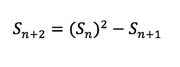
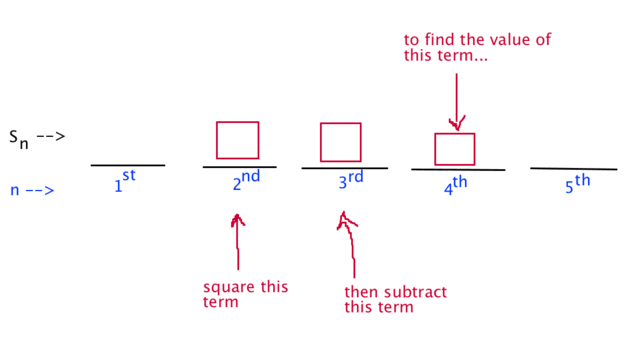
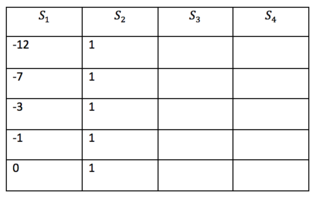
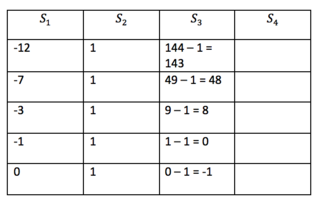
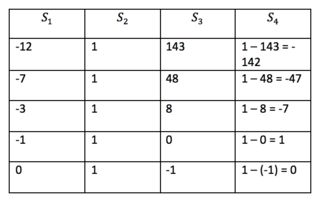
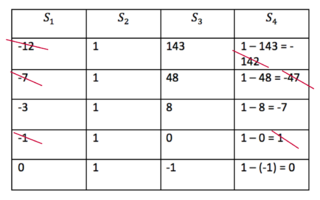
attached is an IR Two Part Analysis question; sequencing is the topic. Please explain how to complete this problem. I am having trouble understanding the explanation the OG gives.
Thank you
Thank you
- Attachments
-
BREAKING: Target Test Prep releases Brand New 2026 On Demand GMAT prep course
Redeem
 Featured Course
Scott Woodbury-Stewart’s private virtual classroom — 400 hours of master-class video lessons for the GMAT Focus Edition.
New here Create free account