Timer
00:00
Answers
A
B
C
D
E
Stats
Difficulty—
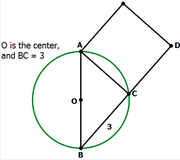
In the diagram above, O is the center of the circle and ACDE is a square. What is the area of the square?
(1) the circle has a radius of 2
(2) angle ACB = 90°
OA A
Source: Magoosh
BREAKING: Target Test Prep releases Brand New 2026 On Demand GMAT prep course
RedeemTarget Test Prep · GMAT
Learn live with an expert or move at your own pace. Every option includes the complete TTP study system.

with Chris Peckover, 100th-Percentile GMAT Scorer

Self-paced EA prep. Study on your schedule.

with Logan Thompson
Complete access from day one. Study on your schedule.
Compare the format, schedule, and included access before enrolling. Prices and seat counts shown reflect the supplied offer details.
A
B
C
D
E

New here Create free account



















