(1) The hundreds digit of c is equal to the sum of the hundreds digits of a and b. The units digit of c is at least equal to the sum of the units digits of a and b. [ /quote]
If we just took the first part -
The hundreds digit of c is equal to the sum of the hundreds digits of a and b - that would tell us that there's no spillover into the hundreds digit. That tells us that the sum of the tens digits must have been less than 10. But that doesn't answer our target question about units digits, so insufficient.
But now let's add on the unrelated second piece -
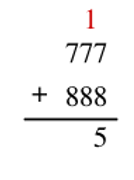
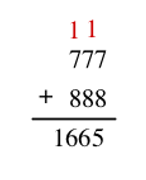
The units digit of c is at least equal to the sum of the units digits of a and b. So consider our two examples above. When the sum of the units digits of a and b was less than 10, the units digit of c was exactly equal to the sum (1 + 2 = 3). When the sum of the units digits of a and b was greater than 10, though, the units digit of c was less than that sum (7 + 8 = 5??). If the units digit of c is less than the sum of the units digits of a and b, that means there was spillover! We can never get a units digit that greater than the sum
So, this piece of statement 1 was sufficient on its own. (Which really means that it should have been its own statement!)
(2) The sum of the digits of c is not more than the sum of the digits of a and b.
For this one, let's test the examples that we have above. In the first example:
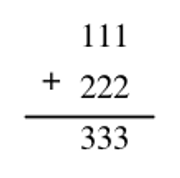
3 + 3 + 3 = 9
1 + 1 + 1 + 2 + 2 + 2 = 9
If we have no spillover, the digits of c will add up exactly to the sum of the digits of a and b.
In the second example:
1 + 6 + 6 + 5 = 18
7 + 7 + 7 + 8 + 8 + 8 = 45
If there is spillover, the sum of the digits of c will always be less than the sum of the digits of a and b.
But this statement says "The sum of the digits of c is
not more than the sum of the digits of a and b." But it will NEVER be more! So this statement really tells us nothing at all!
Technically, the answer here is
A. But it's such a poorly structured question that that's almost irrelevant. I would avoid studying from this source.