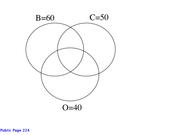
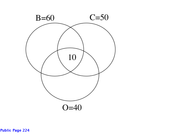
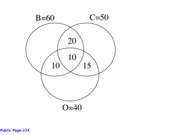
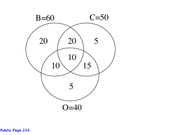
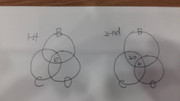
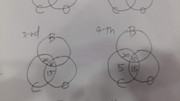
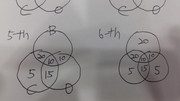
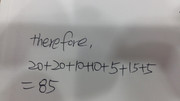
Mark has 60 blue marbles, half of which are checked, 50 checked marbles, half of which are oval, and 40 oval marbles, half of which are blue. If 10 marbles Mark has are blue, checked and oval and all the marbles he has are either blue, checked or oval, then how many total marbles Mark has?
GMATLiveTeach
Starts Oct 17

LIVE ONLINE CLASSES
Get Ready for GMAT Test Day Faster with Live Online Classes
with Chris Peckover, 100th-Percentile GMAT Scorer
- Oct 17 · Chris Peckover
- Sat · 11:00 AM to 2:00 PM ET
- Oct 20 · Chris Peckover
- Tue, Thu · 8:00 to 10:00 PM ET
- Oct 25 · Josh Braslow
- Sun · 1:00 to 4:00 PM ET
- Included
- 40 hours of live online classes + 6 months of TTP OnDemand
- Attend the first class for free
- Every class is recorded, so you never fall behind
View classes & enroll
Limited seats available